
MyAccount
Reducing Support Calls by 18%
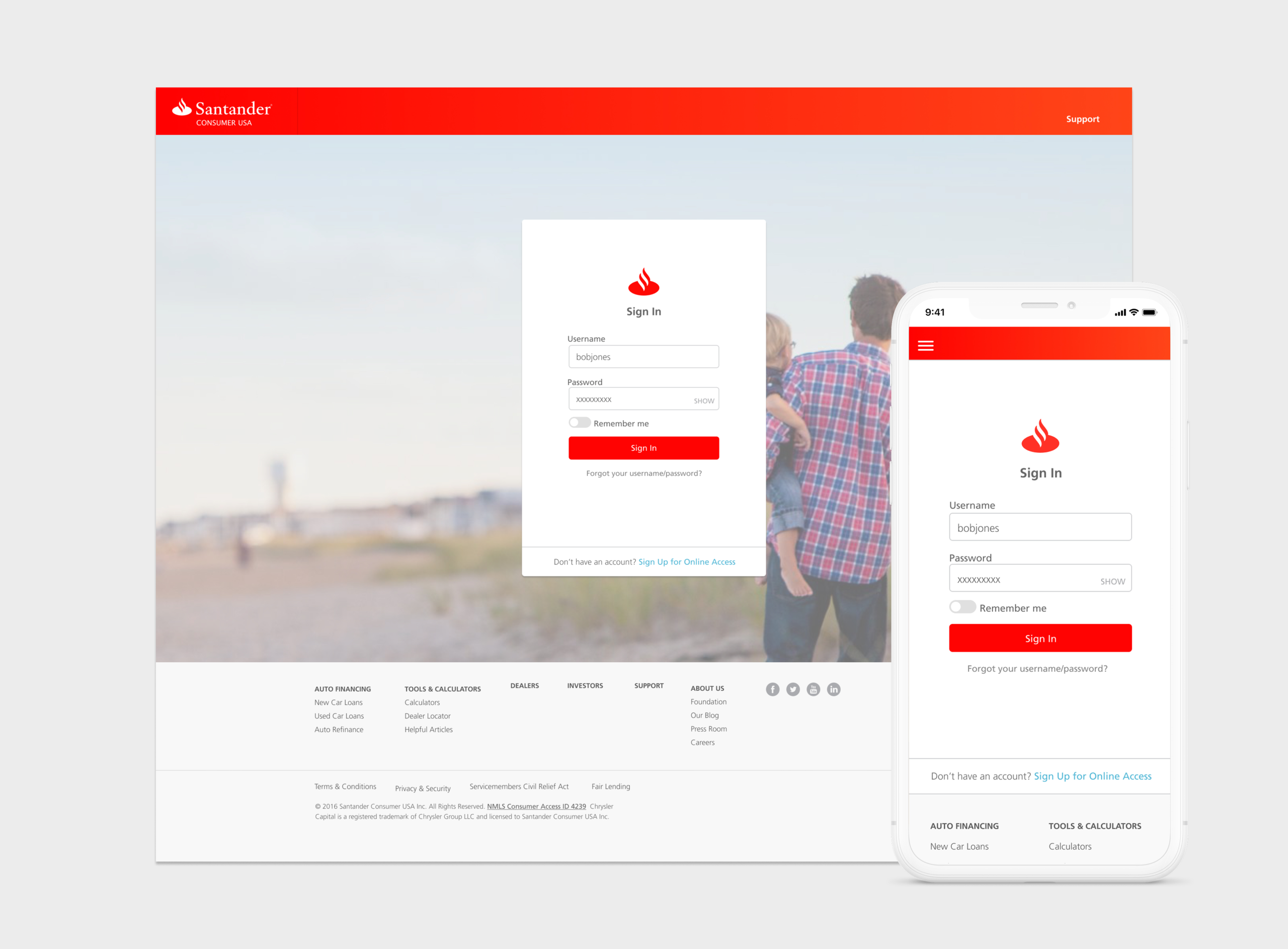
The redesigned Santander MyAccount portal reduced customer support calls related to login and account access by 18%, while significantly improving overall customer satisfaction. Prior to the redesign, CSAT scores were consistently low, driven by confusion around authentication, navigation, and multi-account management.
By simplifying key tasks, improving content hierarchy, and addressing high-friction scenarios—especially for multi-account users—the new experience helped customers complete actions with greater confidence and fewer errors. Following launch, CSAT improved into a positive, healthy range, signaling increased trust and ease of use.
Together, these improvements reduced reliance on phone support, improved self-service adoption, and established a more scalable foundation for ongoing digital growth.
Research & Approach
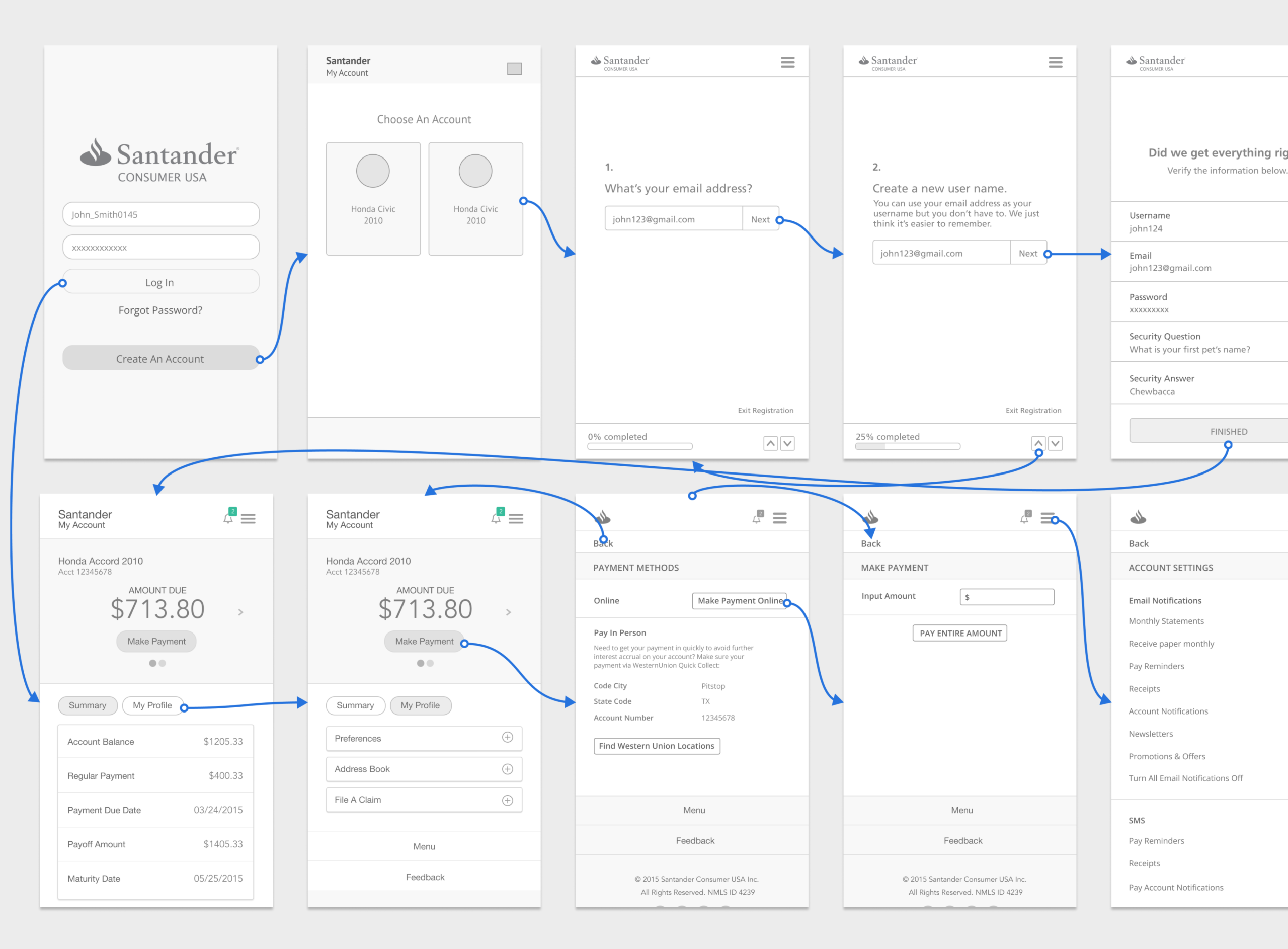
I started by talking with Customer Service Representatives and sitting in on live support calls to understand where customers were getting stuck. Login issues, billing, AutoPay, and multi-account access came up repeatedly. Reviewing call logs and analytics confirmed that about 60% of users were accessing the portal on their phones, and that mobile friction was a major driver of support calls.
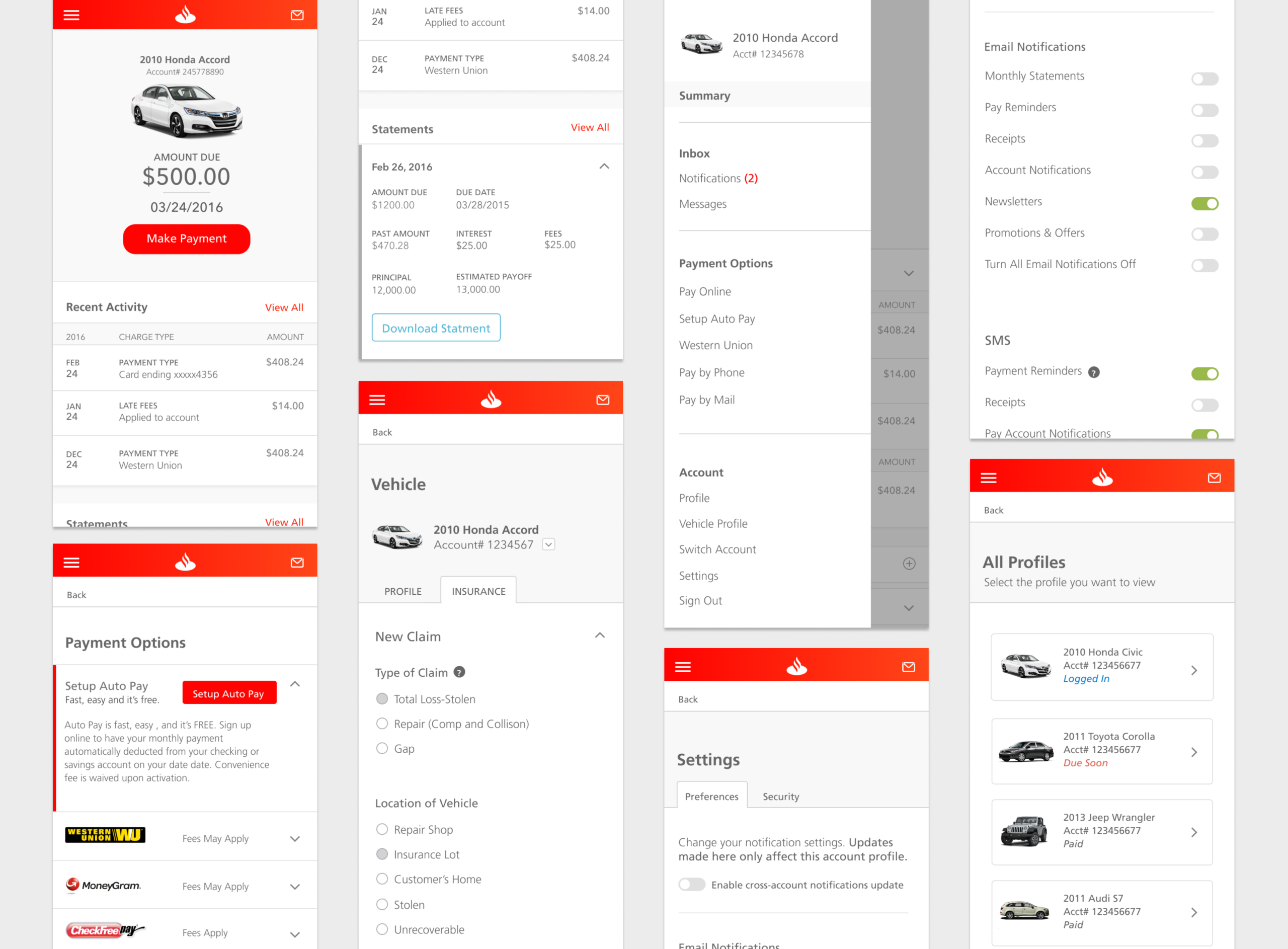
Based on this, I took a mobile-first approach, focusing on the actions customers needed most. I simplified the information architecture, tested early workflows with low-fidelity wireframes, and evolved them into high-fidelity designs. The final experience streamlined sign-in and onboarding, reduced friction for new and returning users, and refocused the dashboard on payments and account clarity. Supporting content was moved into secondary areas so it didn’t compete with core tasks.
Customer Support
A big part of the redesign focused on reducing customer frustration and support dependency. Previously, the portal relied almost entirely on phone calls for help—there was no in-product way to chat or self-serve common issues. As part of the redesign, we introduced in-portal chat, giving customers a faster, lower-effort way to get support without leaving the experience.
By making help accessible directly within the portal, we saw a noticeable shift away from phone calls. Support data showed a meaningful drop in call volume (≈20–30%) for common account and billing questions, helping reduce wait times while giving customers more control over how they got help.
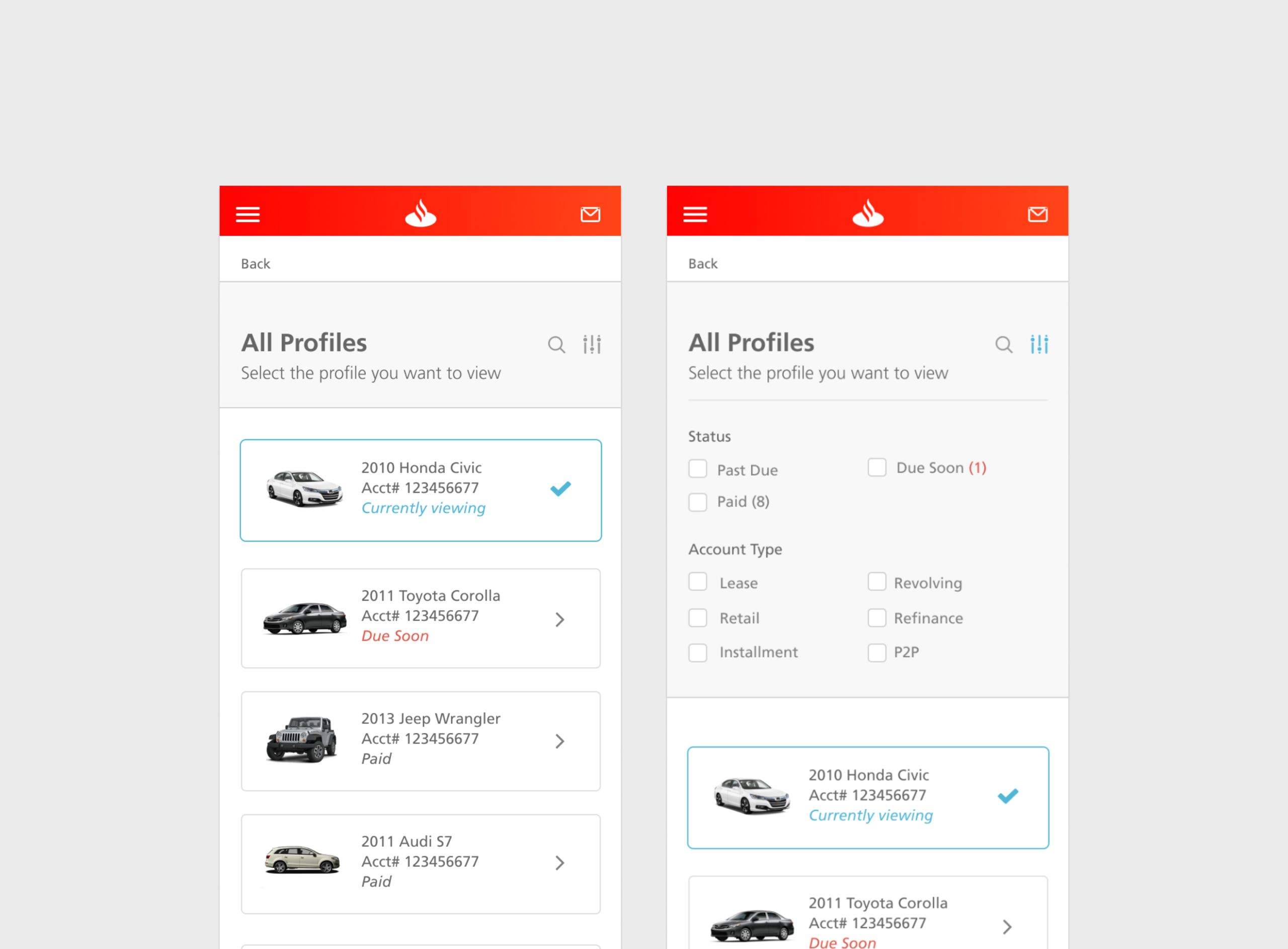
Removing Friction for Multi-Account Users
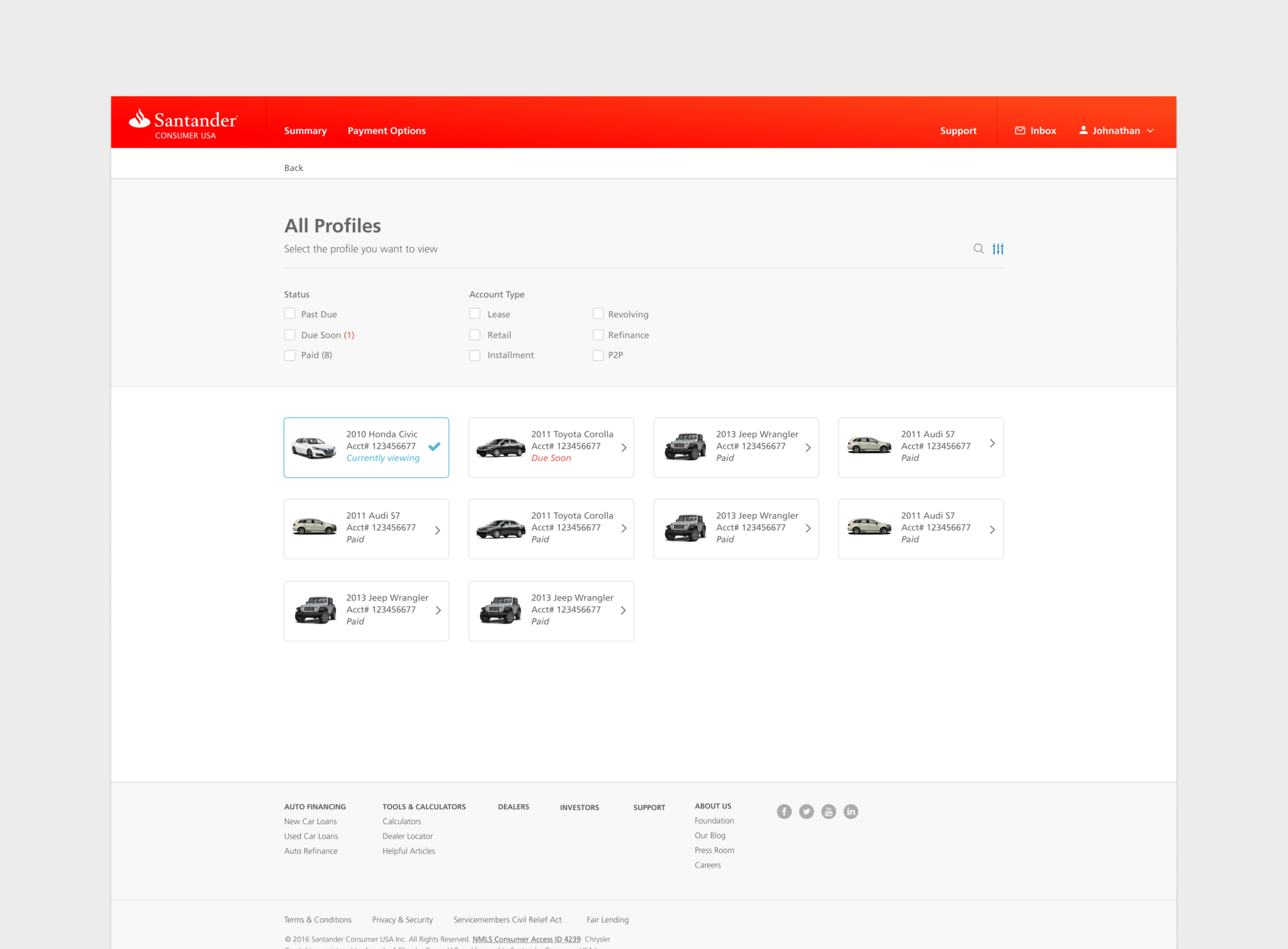
Another major source of support calls came from customers who managed multiple accounts, especially commercial users. Previously, switching accounts required logging out and logging back in—an unintuitive and time-consuming process that frequently led to confusion and support calls.
We redesigned this experience by introducing a simple account-switching feature, allowing users to move between accounts seamlessly within the same session. This dramatically reduced friction for power users and addressed one of the top reasons customers were calling support in the first place.
Looking Ahead
While the redesign addressed the most critical usability and access issues, MyAccount continues to evolve. Ongoing efforts focus on further improving multi-account workflows, refining mobile interactions, and proactively reducing friction across high-frequency tasks.
Future iterations will continue to be guided by customer feedback, support trends, and usability insights—building on early gains to further lower support demand, strengthen satisfaction, and create a more resilient self-service experience over time.